
Agree on the job
Write the intended audience, message, destination, duration range and delivery format. Specify what the client is supplying: a script, brand assets, product images, reference characters or only an idea. Different starting material creates different production work.
Agree what success means in terms you can deliver, such as a reviewed explainer that communicates an approved message. Do not promise sales, reach or leads solely because an animation looks appealing. Business results involve distribution, offer quality and audience response beyond the production file.
Confirm source permissions
Ask the client to confirm permission to use supplied logos, photos, scripts, likenesses and recordings. A software commercial licence does not grant rights in third-party source material. Keep that distinction explicit, particularly when a reference contains a well-known fictional character or a real person.
Separate selling a finished video from supplying software accounts or white-labelling the application. The official package descriptions discuss Reseller separately. Do not advertise account-reselling rights based only on an entry commercial label. For unusual rights questions, obtain the actual current terms and appropriate professional advice.
Approve in stages
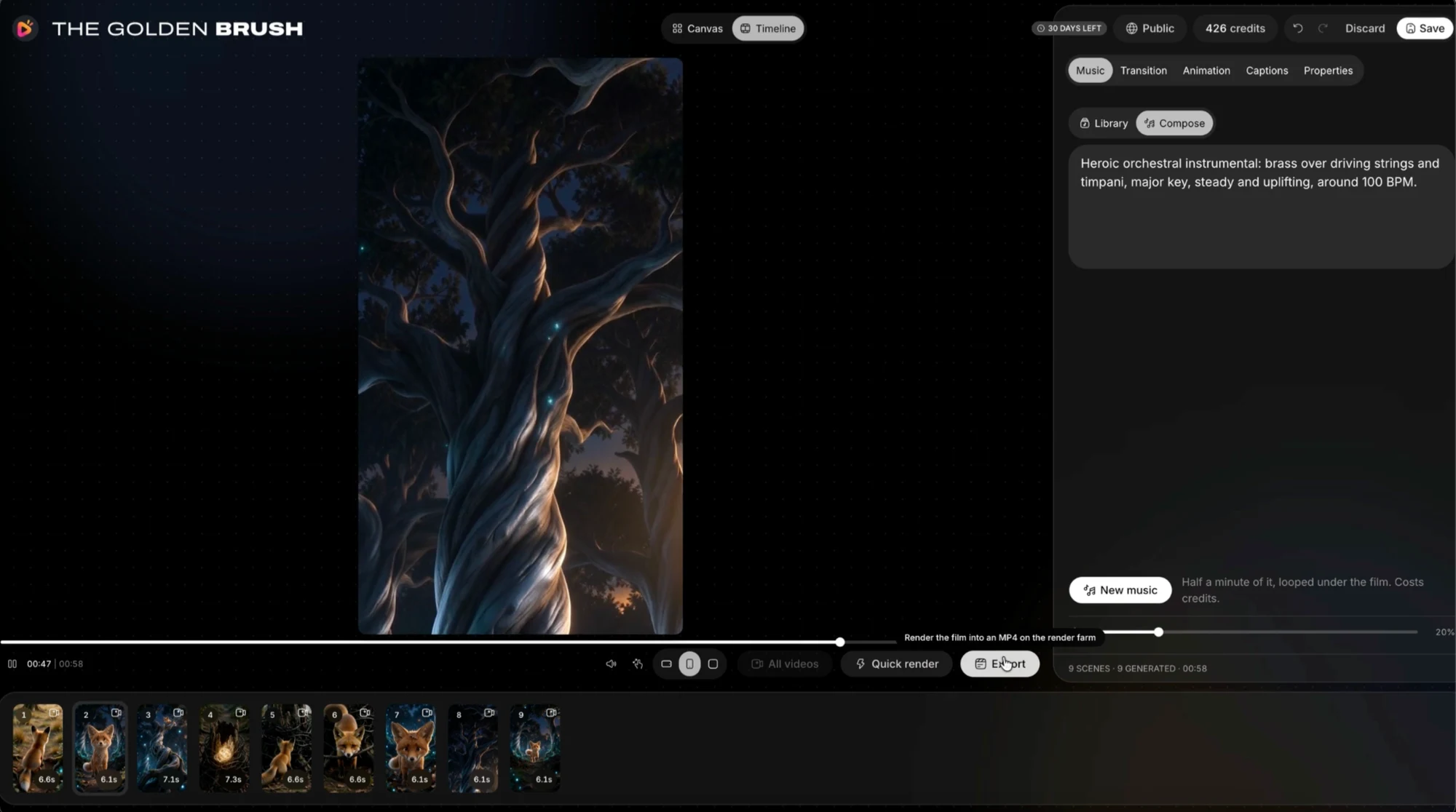
Use practical review points: brief, script, cast and storyboard, animation draft, final delivery. An approved storyboard makes later feedback more specific. A request to change the entire premise is different from correcting a typo in a caption.
Explain what is included in a revision and how new requests are handled. Do this before production becomes urgent. Credit-consuming experimentation, new language versions and a new aspect ratio may represent different work, even when the software makes them possible within the same project.
Specify the handover
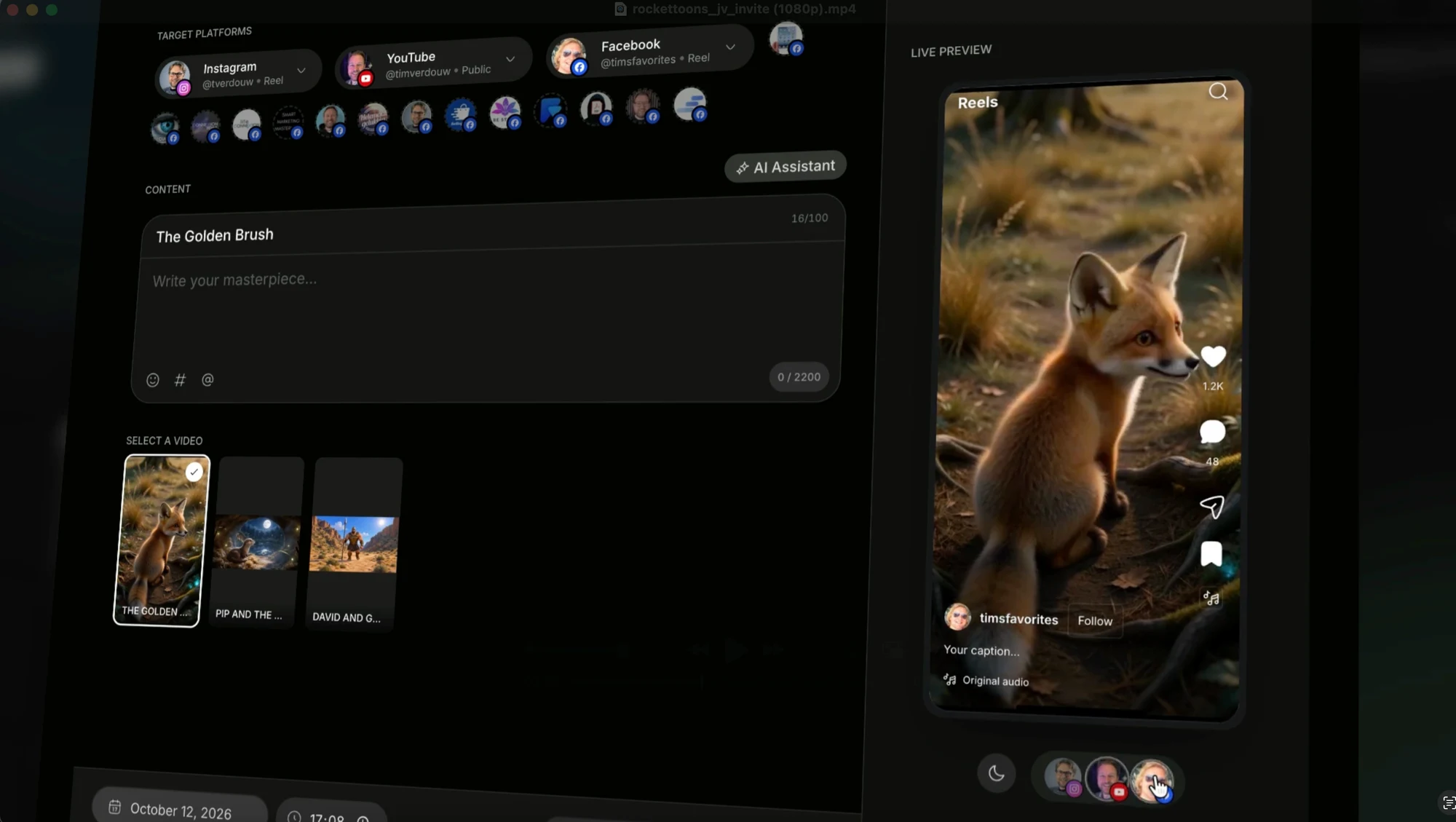
List the final exports and any supporting files: captions, transcript, alternate crop, music-free version or thumbnail. Do not promise editable source transfer unless the application and your selected plan support the agreed handover. A final MP4 and a reusable project are not the same deliverable.
Agree how approval is recorded and how long you will retain working material. Official storage descriptions vary by package and source, so keep your own approved delivery copies rather than promising permanent cloud access on the client’s behalf.
Price your actual work
Estimate the time spent on briefing, writing, asset preparation, review, revisions and delivery, alongside the relevant tool and generation costs. A low software entry price does not make all production work free. Avoid pricing a job on an assumed fixed credit-to-minute conversion.
RocketToons is appealing as a connected creative workflow, but the professional part of the service is your judgement and reliable delivery. Start with a project you can scope clearly. Keep the promises tied to deliverables you control and document the client’s acceptance of the finished version.
- Written audience, message and destination
- Permissions for all supplied material
- Approval stages and revision boundaries
- Named formats and supporting deliverables
- Local delivery copy and approval record
Your questions
Does Commercial mean I can sell software accounts?
Do not assume so. Finished-video commercial use and software-account reselling are different rights; the official overview describes a separate Reseller package.
Should I guarantee a client’s return on the video?
No. Agree the creative deliverables and quality checks. Revenue and audience outcomes are not established by the supplied product evidence.
Make the next decision
Sell a clearly scoped production service. The tool supports the work; the brief and approval process make the service professional.
RocketToons Pricing & Upgrades
Compare advertised RocketToons package prices, understand optional tools and use clear, like-for-like arithmetic before choosing an offer.

RocketToons Credits & Top-Ups
Understand RocketToons credit quotes, revision budgeting and the separately advertised 50-credit offer without inventing a fixed cost per video.
RocketToons Export Guide
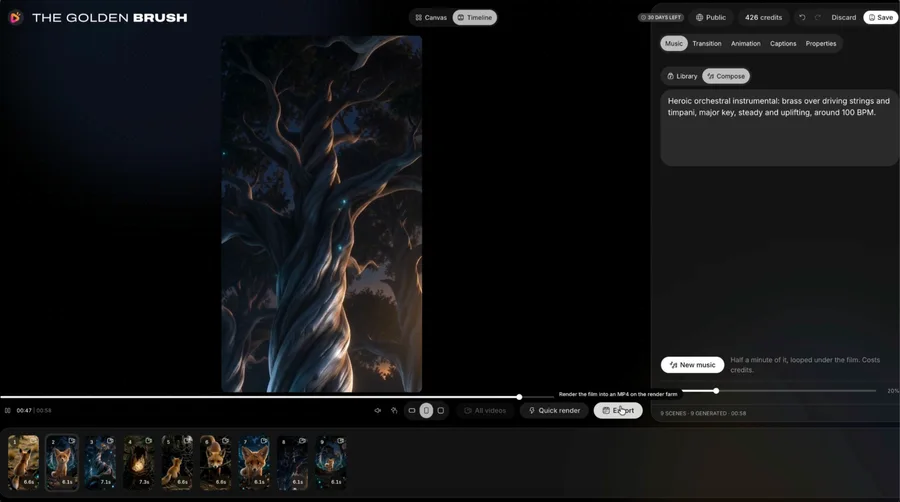
Review your RocketToons video before delivery: frame, captions, dialogue, transitions, file playback, naming and local backup.