
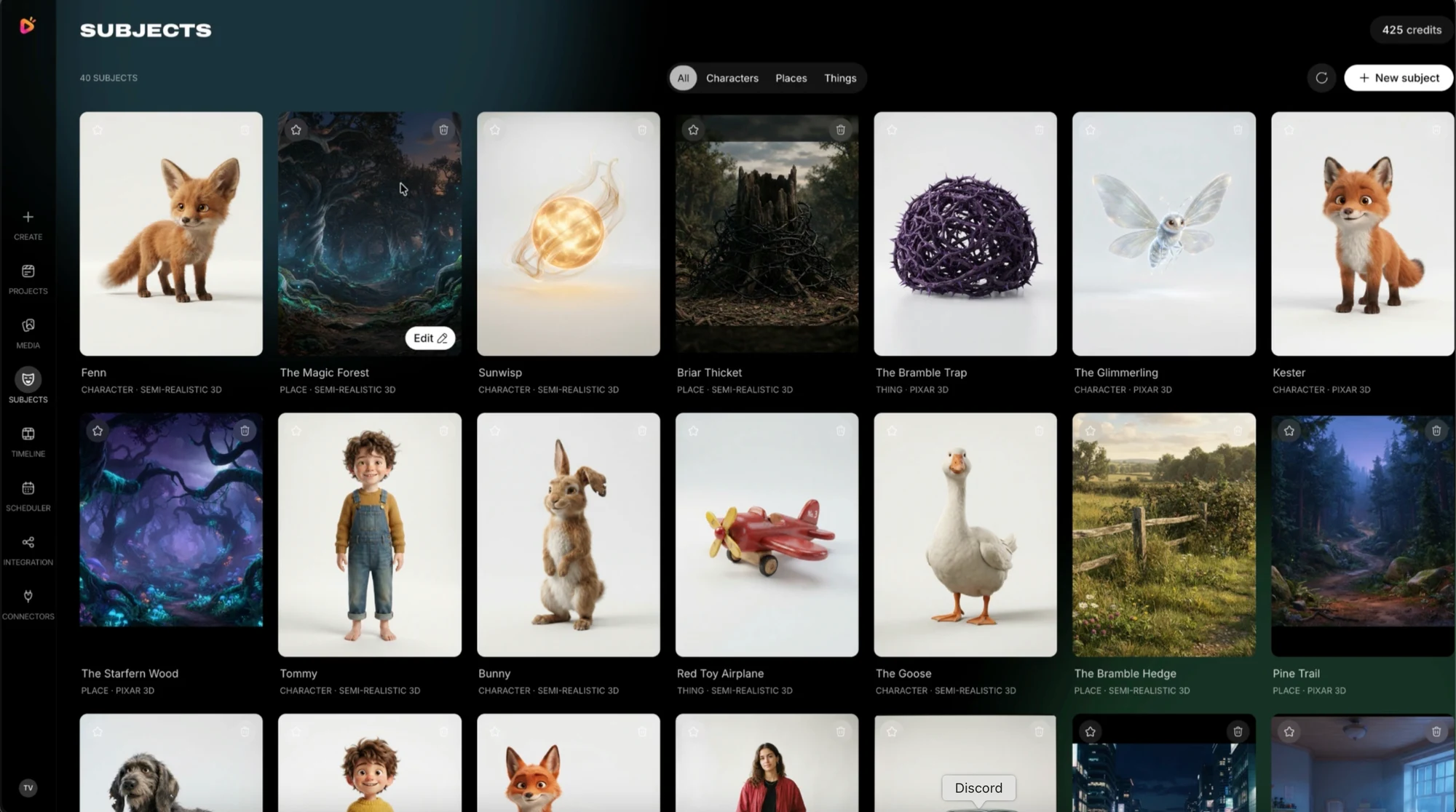
Choose your version
Decide what this adaptation is about. A race can become a story about patience, overconfidence, preparation or the way two characters treat each other. The same outline can support different interpretations; choose one before generating scenes.
Use a source you are allowed to adapt. An old tale may be in the public domain while a modern translation, illustration or film treatment is protected. Write your own dialogue and visual direction rather than copying the distinctive expression of a recent adaptation.
Reduce the cast
Keep only characters who change the event or help the audience understand it. A crowd can add atmosphere, but it also introduces visual information to manage. Two clearly differentiated personalities often provide enough contrast for a first short film.
Define the relationship before writing jokes. Is one character boastful, cautious, helpful or distracted? Show the trait through an action. A character who interrupts a starting signal communicates more than a narrator announcing that they are impatient.
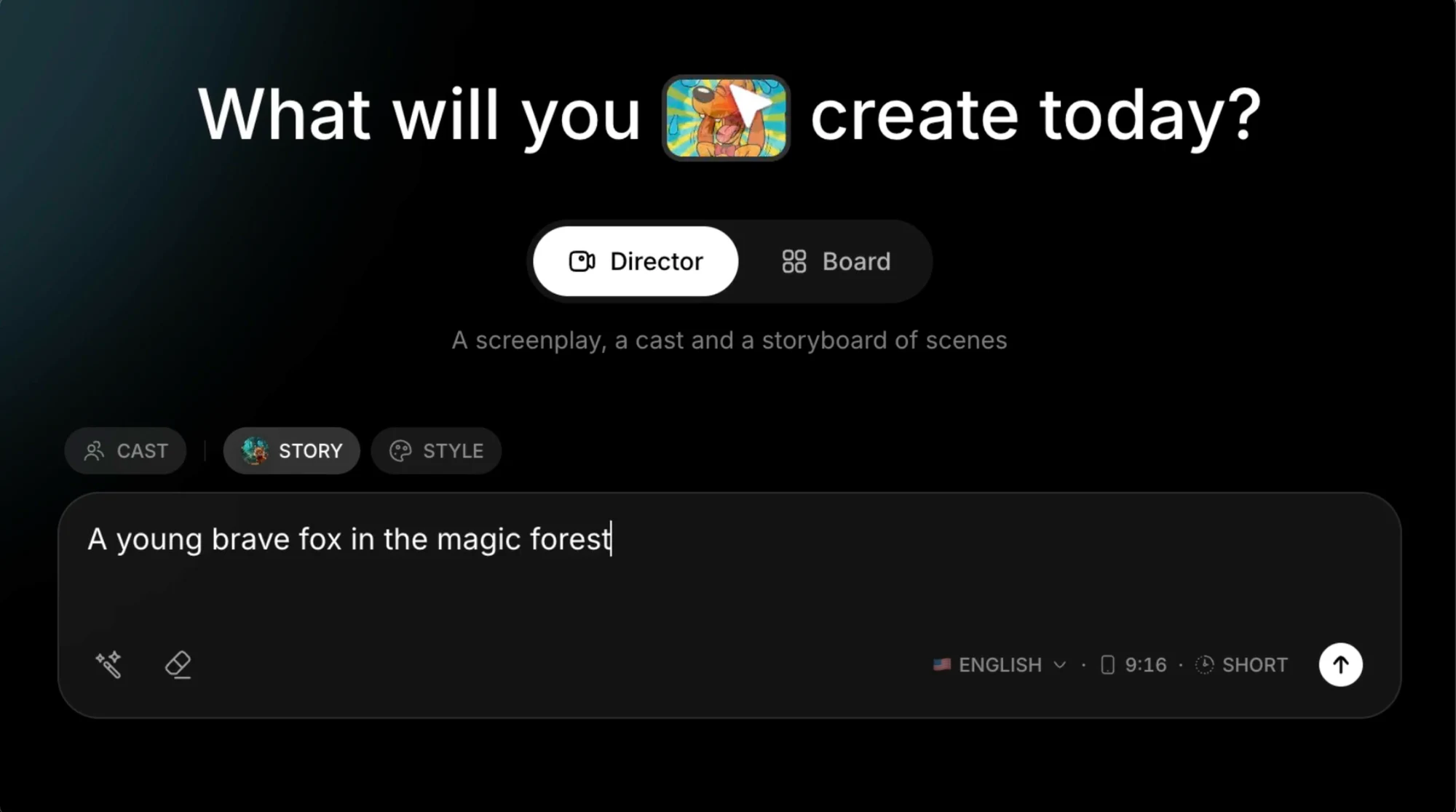
Choose the turning point
Identify the moment after which the outcome changes. Give that moment a visible action and enough screen time to register. If the story’s lesson only appears in the final narration, the earlier scenes may not be doing enough dramatic work.
Use a simple setting that keeps geography understandable. A path, a tree and a finish point can establish a race without changing the location every few seconds. The supplied subject library’s separation of characters, places and things is a useful way to organise those recurring elements.
Make reactions matter
A reaction can make the moral feel earned without explaining it again. Let the audience see disappointment, surprise or a changed attitude. A brief silent beat may communicate more than an extra speech.
Balance tone with the intended audience. Do not assume every familiar fable should use a preschool treatment, or that a darker visual style makes the adaptation more thoughtful. Select the look, sound and pacing as one coherent interpretation.
Build a repeatable series
If the first film works creatively, keep the approved cast references and develop a new situation rather than endlessly repeating the same lesson. A recurring character can learn something different while remaining recognisable. Record the visual and voice choices so the next episode belongs to the same world.
Judge a series by finished, reviewed episodes before expanding production. We like RocketToons’ connected approach to cast and story, but that does not establish a publishing schedule, audience response or income. Use the tool to make original work you can stand behind.
- A clear interpretation of the tale
- Source and adaptation rights checked
- A compact cast with contrasting behaviour
- One visible turning point
- A conclusion shown through consequence
Your questions
Can I use any familiar fairy tale?
Check the source and jurisdiction. An old story, a modern translation and a distinctive recent character design can have different rights.
Is the supplied sample our own measured production test?
No. It is a supplied animation sample shown for visual inspection. We do not attach an invented production time or performance result to it.
Make the next decision
A strong adaptation makes a familiar event feel intentional. Let the character’s decision carry the meaning.
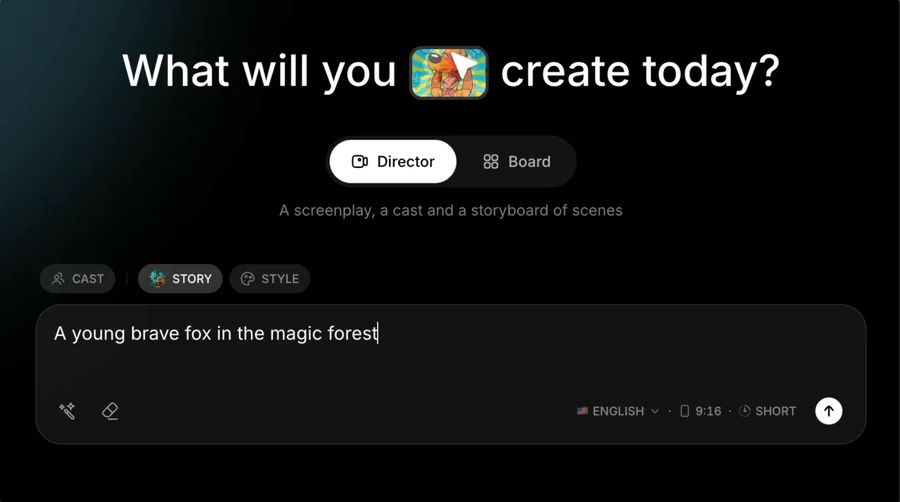
RocketToons Story Writing Guide
Turn an idea into a coherent RocketToons script using character goals, visible actions, a meaningful turn and a concise ending.
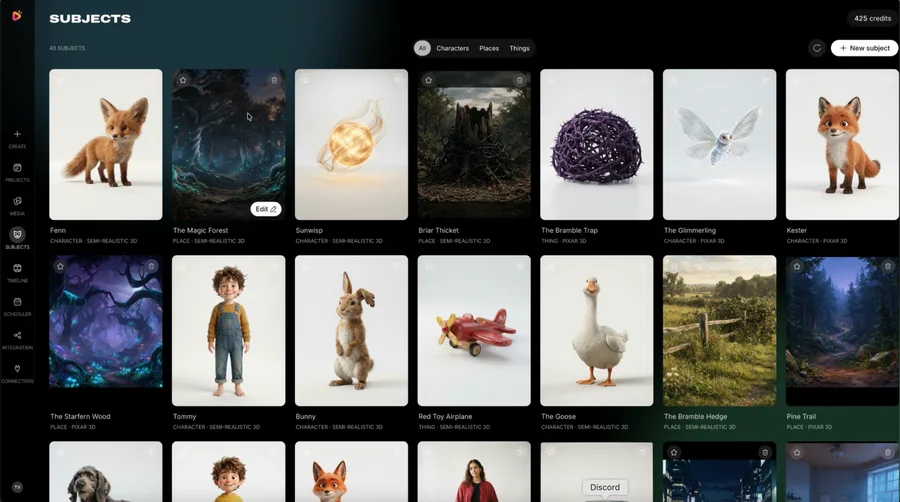
RocketToons Character Consistency
Create a practical character reference for RocketToons: identity, clothing, scale, props and continuity checks across shots and episodes.
RocketToons Educational Videos
Create focused educational cartoons with RocketToons: define a learning objective, connect visuals to explanations and review accuracy and accessibility.